Chicago Deck Material Guide 2026: Which Options Hold Up Against Midwest Freeze-Thaw Cycles
Chicago homeowners planning a new deck in 2026 face one of the most demanding outdoor climates in the country.
Any experienced deck builder in Chicago, IL, will tell you that freeze-thaw cycles are the single biggest factor in material selection. This guide breaks down how pressure-treated wood, composite, PVC, and aluminum each hold up against Chicago's specific conditions.
Why Chicago's Climate Is So Hard on Decks
Chicago's climate is among the harshest for outdoor wood in the US, with hot humid summers followed by brutal winters that bring 40 to 60 freeze-thaw cycles per year. Water gets into a board, freezes, expands, and pushes the wood fibers apart, then thaws and repeats. On pressure-treated lumber, this is what causes the checking, splitting, and cupping you often see around year eight.
The challenge varies by neighborhood. Homes along the lakefront in Lincoln Park or Edgewater face direct Lake Michigan winds and moisture that accelerate surface wear. Inland neighborhoods like Jefferson Park or Bridgeport see the same freeze-thaw pattern with slightly less humidity. Your material choice should reflect where your deck actually sits, and consulting a local deck builder early in the planning process helps you account for these neighborhood-level differences.
Pressure-Treated Wood: Budget-Friendly but High Maintenance
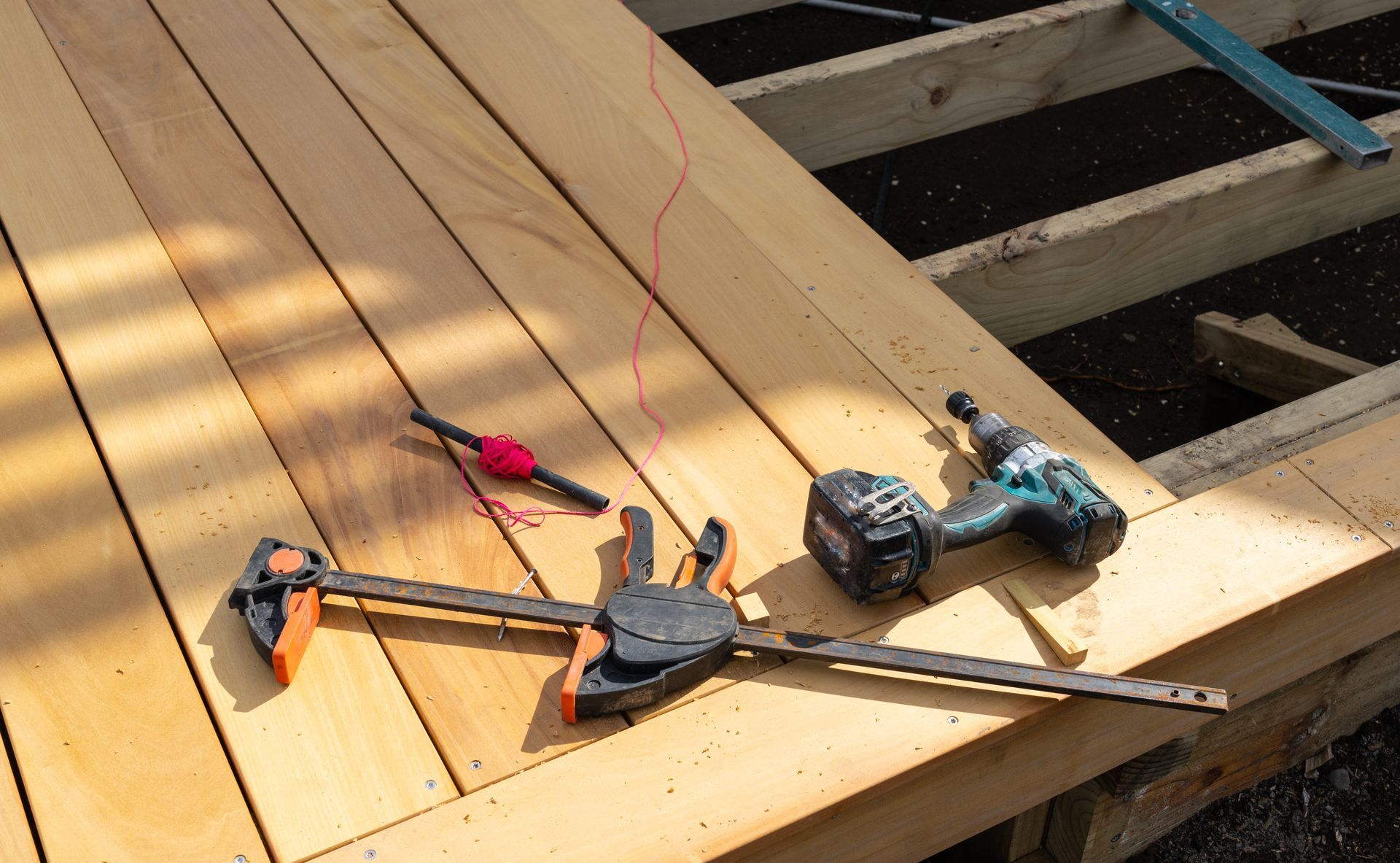
Pressure-treated Southern Yellow Pine is the most widely used decking material in Chicago because of its low initial cost and proven structural strength. Modern ACQ-treated lumber resists rot and insects effectively.
The trade-off is ongoing maintenance: annual cleaning and a penetrating stain or sealer every one to two years. Each spring, inspect for loose boards, popped fasteners, and split ends. Unsealed boards can show damage by year three, and even well-maintained pressure-treated decks typically reach end of life between years fifteen and twenty. A knowledgeable deck builder can help you determine whether the upfront savings justify the long-term upkeep.
Composite Decking: The Low-Maintenance Workhorse
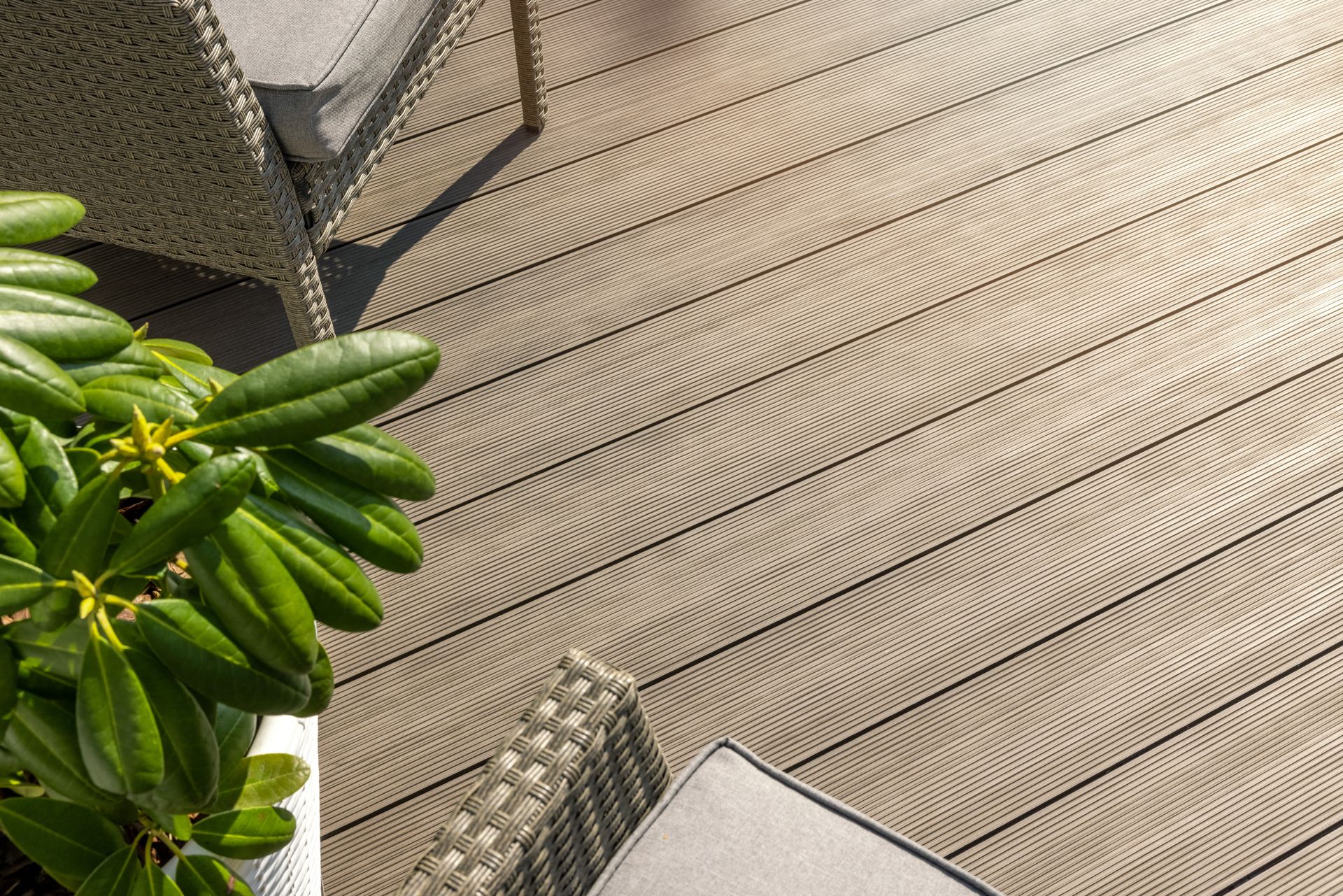
Composite decking from brands like Trex or Azek resists fading, staining, mold, and splintering, and does not warp during freeze-thaw cycles the way wood can. The capped outer layer is waterproof, and the core is dimensionally stable across Chicago's temperature swings.
Look for capped or fully capped composite products, since entry-level boards without a polymer cap can still absorb some moisture. Higher-grade composite costs more upfront but eliminates annual sanding, staining, and sealing. Quality composite in Illinois conditions commonly lasts 25 years or more. Note that darker boards can get warm on hot summer days, so they are worth considering for south-facing or lakefront decks. An experienced deck builder in Chicago, IL, can help you select the right composite grade for your exposure level.
PVC Decking: Maximum Freeze-Thaw Resistance
PVC decking is made entirely of cellular polyvinyl chloride with no wood fiber in the core. Because it does not absorb water, the freeze-thaw cycle has far less to work with. On freeze-thaw performance specifically, PVC ranks first and capped composite is a close second.
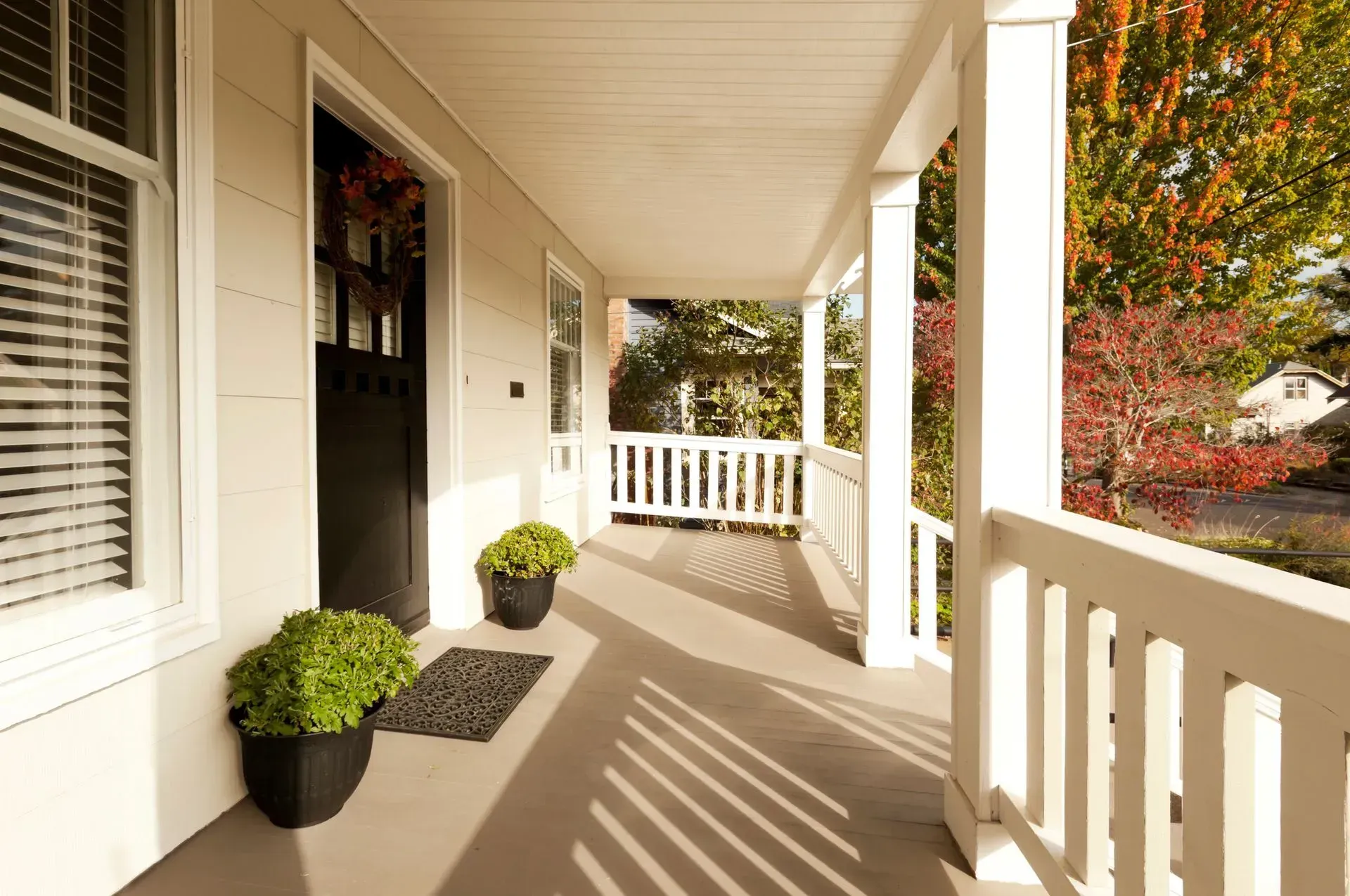
PVC is a strong option for multi-story porches where moisture intrusion from snow accumulation is a persistent concern. The material can expand and contract noticeably in temperature extremes, so proper gapping during installation is essential. It carries a higher upfront cost than composite, but its resistance to moisture, mold, and rot makes it worth considering for elevated structures exposed to lake weather. Ask your deck builder about installation details specific to PVC before committing to this material.
Aluminum Decking: Durable and Noncombustible
Aluminum decking is a less common but legitimate option for homeowners who want a zero-rot, non-combustible surface. Aluminum does not absorb moisture, so freeze-thaw cycles have virtually no effect on the boards. The surface can feel harder underfoot than wood or composite and can become slippery when wet without a textured finish.
Factory powder-coat finishes typically carry 20-plus-year warranties against fade and corrosion. For rooftop decks or elevated structures where fire resistance matters, aluminum is worth discussing with your contractor.
Permits and Chicago Code Considerations
Chicago requires a building permit for any deck more than 30 inches above grade or attached to the house. The City of Chicago enforces a 100 psf live load requirement for porches and decks under its Chicago Construction Codes, which is 2.5 times the national 40 psf standard and reflects historical porch-collapse safety concerns.
If your property is in an HOA, written approval is typically required before applying for a city permit. Properties in designated historic districts may also need architectural committee approval.
The Chicago deck permit requirements page outlines the documentation your project will need. Footings must be set below the frost line, at least 42 inches deep, and hardware should be stainless or hot-dipped galvanized.
Which Material Lasts Longest in Chicago Weather?
There is no single best material for every homeowner. Pressure-treated lumber is the most affordable and handles freeze-thaw well but requires regular sealing. Composite offers the lowest maintenance with strong moisture resistance. PVC provides the strongest freeze-thaw resistance of any board material, while aluminum delivers durability with zero rot risk. Your budget, maintenance tolerance, and neighborhood micro-climate should all factor into the final decision.
Do I Need a Permit for a Deck Replacement in Chicago?
Repair and replacement projects may follow a different fee pathway than new construction under the 2026 amended fee tables. Always confirm current requirements with the Chicago Department of Buildings or work with a licensed deck builder who handles permit expediting.
Ready to Choose the Right Deck Material for Your Chicago Home?
Getting the material selection right before construction begins can save you significant time and money over the life of your deck. Framar Frackiel Builders has been helping Chicago homeowners build quality decks and porches since 1987. Their team can guide you through material selection, permit requirements, and construction from start to finish. Visit the decks service page or contact the team to request a free estimate. Call (773) 736-8918 to get started.
Chicago's Porch Permit Process Explained: What Homeowners Need to Know Before New Porch Installation